
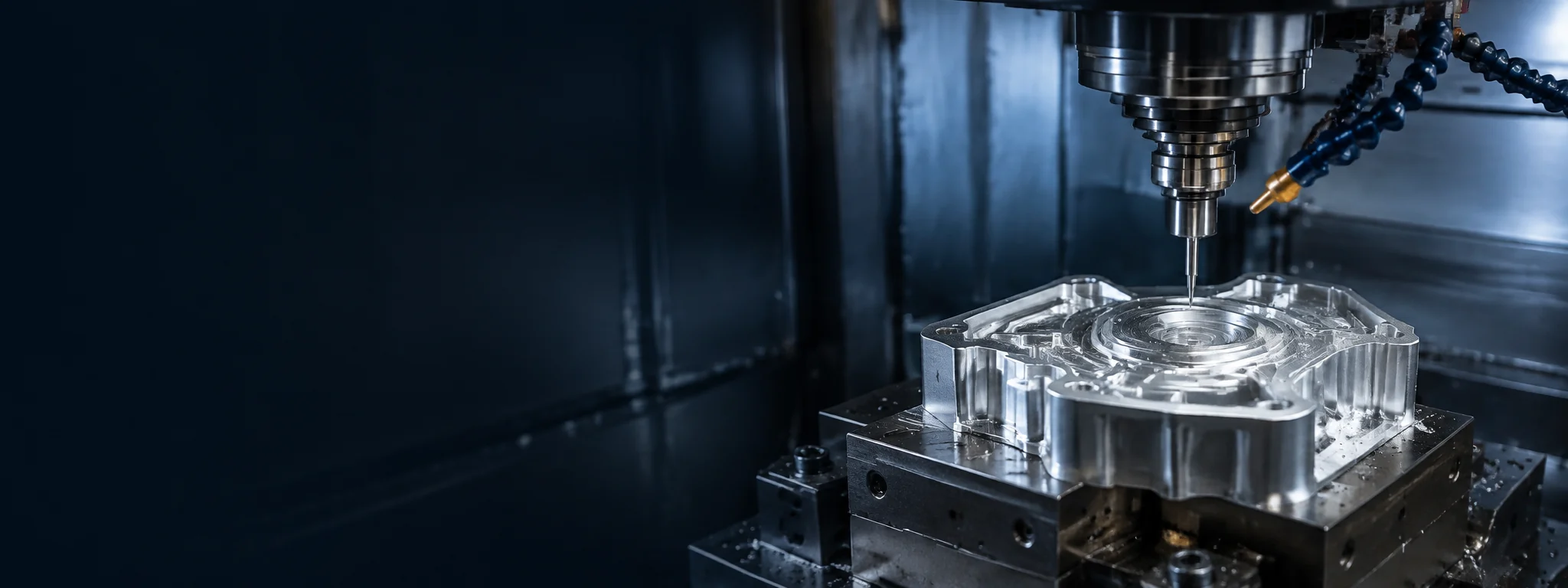
Custom manufacturing · Shenzhen, China

OEM & ODM Manufacturing Services in China.

Bring your drawings or your product requirements. Zenbot China coordinates manufacturing, design-for-manufacturing review and product integration across mechanical parts, plastics and electronics.

Prototype builds · Production planning · Assembly coordination

One product. Connected processes.Concept / 01
Mechanical enclosure, electronics and assembly An illustrative exploded product diagram connects a metal enclosure, a printed circuit board and a base assembly to show how manufacturing disciplines fit together. ENCLOSUREELECTRONICSASSEMBLY
Illustrative product architecture. Every build starts with an agreed scope.

One coordinated briefMechanical, plastic and electronic requirements.

A route for your starting pointApproved designs or a product development brief.

Defined release milestonesScope, samples and acceptance before production.

01 / Choose your starting point

OEM or ODM?
Start with what you have.

OEM projects typically begin with a customer-defined design. ODM projects involve design development or adaptation before manufacturing. Zenbot reviews your starting point and the engineering work needed to reach a production-ready specification.

OEMOriginal Equipment Manufacturer

Your design.
A coordinated manufacturing route.

For teams with defined product files that need parts, electronics or assemblies manufactured to agreed specifications.

Your starting point
CAD and drawings, a controlled bill of materials, quantities and acceptance requirements.
Scope to review with Zenbot
Manufacturability, materials, sourcing, process selection, inspection, finishing and assembly.
The release decision
Approve the quotation, drawing revision and required sample or first-article results before production.
Prepare an OEM brief
ODMOriginal Design Manufacturer

Your requirements.
A scoped development route.

For teams that need design collaboration or adaptation to turn product requirements into manufacturable files and an agreed build plan.

Your starting point
Product function, sketches or references, target quantity, constraints and intended application.
Scope to review with Zenbot
Design responsibilities, feasibility, prototype needs and the handoff into manufacturing. Development tasks are agreed individually.
The release decision
Confirm deliverables, ownership terms, validation needs and design approval before manufacturing release.
Discuss an ODM requirement
OEM vs. ODM: practical differences for a manufacturing request
DecisionOEM projectODM project
Design starting pointA customer-defined product and controlled files.Requirements or a design that still needs development or adaptation.
Initial reviewHow to manufacture and verify the specified product.What design work is needed, who owns each task and how it will be validated.
Before productionApproved files, process scope and acceptance criteria.Agreed development deliverables, approved design and a manufacturing release.
Ownership and toolingDesign rights, tooling ownership, permitted use and handover are defined in the project agreement. The OEM or ODM label alone does not determine these terms.

Development scope, availability, minimum practical quantities and timing are confirmed after review. Explore manufacturing capabilities for process-specific planning information.

03 / Project workflow

Move forward with
a clear next decision.

The exact route depends on the product and its starting point. Agree the scope and approval milestones before committing to tooling or a production build.

  1. Share the brief

    Provide the application, available files, quantities, target date and the requirements that matter most.

    Review outcomeDefined inputs and a list of open questions.
  2. Review feasibility

    Discuss process options, design-for-manufacturing considerations, sourcing and any development work still needed.

    Review outcomeProposed scope, responsibilities and quotation basis.
  3. Develop & validate

    Complete agreed design tasks and prototype or sample work. Review fit, function and critical features as required.

    Release milestoneApproved files and agreed validation results.
  4. Release the build

    Confirm revisions, materials, approved components, tooling, process scope and inspection criteria for production.

    Release milestoneA controlled manufacturing and acceptance package.
  5. Inspect & deliver

    Complete the agreed inspection, assembly and test scope. Confirm labeling, packaging and delivery arrangements.

    Project handoffAccepted goods and the documentation specified in the order.

Define the details before release

A production plan needs
more than a part number.

Design & revision control

Identify the approved CAD, drawings, bill of materials and component alternatives. Agree how design changes are reviewed and which revision each build will use.

Quality & validation

Specify critical dimensions, inspection records, functional tests and acceptance limits. Required certifications or application-specific evidence must be reviewed for the proposed scope.

Tooling & handover

Clarify tooling ownership, maintenance, storage, design deliverables, approved substitutions and repeat-order requirements in the project agreement.

Published capability ranges and industry examples are planning information. Project-specific commitments are established through the agreed specification and quotation.

04 / Prepare your RFQ

Send the information
you already have.

An RFQ is a request for quotation. A clear starting package helps us identify missing information and review the right manufacturing or development scope.

Read the file preparation guide

Need to discuss confidentiality first? Contact the team before sharing sensitive files.

For a manufacturing-ready design

  • CAD models and controlled drawings
  • Material, finish and quantity
  • Gerber, BOM and placement data for PCBA
  • Critical dimensions and test requirements
  • Assembly, labeling and packaging needs
  • Target date and delivery destination

For a product development brief

  • Product function and intended users
  • Sketches, references or existing files
  • Size, environment and interface constraints
  • Target quantity and budget expectations
  • Development tasks and validation needs
  • Required deliverables and decision dates

05 / Common questions

Before you start
an OEM or ODM project.

Answers to the questions that shape scope, quotation and the first build.

Read all manufacturing FAQs

What is the difference between OEM and ODM manufacturing?

OEM manufacturing typically starts from a customer-defined design. ODM involves design development or adaptation as part of the project before manufacturing. For either route, the parties need to agree the design responsibilities, deliverables, ownership terms and production specifications.

Can I start an ODM discussion without complete CAD files?

Yes. Share the available sketches, references, product functions and constraints for an initial discussion. Zenbot reviews what is defined and what still needs development. Specific design work, including any electronics or software tasks, must be scoped and confirmed before it is included in the project.

Can one project include an enclosure, PCBA and final assembly?

Yes. Zenbot reviews combined requests covering mechanical parts, plastic components, PCB assembly, finishing and product integration. Provide interface requirements, a controlled bill of materials, assembly instructions and test criteria so the scope can be reviewed as a complete product.

What are the minimum order quantity and lead time?

There is no single quantity or lead time that applies to every OEM or ODM project. Practical quantities and timing depend on design readiness, materials, tooling, component availability, processes and validation needs. Include your required quantity and target date so these can be reviewed in the quotation.

Who owns the design files, molds and other tooling?

Ownership, access, permitted use, storage and handover requirements are defined in the project agreement. Identify customer-owned inputs and any newly developed files or tooling before work begins. The OEM or ODM label by itself does not establish ownership.

Can I request specific inspection reports or product certifications?

Include the required standards, inspection reports, material documentation, traceability and test evidence in the brief. Availability and scope must be confirmed for the product and manufacturing route. General capability information does not establish certification or approval for a particular application.

Start with a project review

Let's define your next build.

Share your product files or requirements. We will review the starting point, clarify the scope and discuss the next step.

sales@zenbotchina.cc · Shenzhen, China · English / Chinese